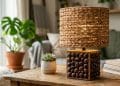
An oil palm waste used lamp project turns farm waste into a working lamp. You take palm fiber, shells, fronds, or trunk pieces. Then you shape them into a shade, base, or outer cover. A safe LED bulb does the lighting. The palm waste does the design.
This guide is a complete build, not just a story. You get the materials, the exact steps, the safety rules, and a ready report template. Students, makers, and small eco-sellers can all use it. By the end, you can build a real lamp and explain the science behind it.
Palm oil mills produce huge amounts of waste each year. Most of it is empty fruit bunches, shells, fronds, and trunks. Burning or dumping this waste harms the air and soil. A lamp project shows a better path. Waste becomes a product with a longer life.
What Is an Oil Palm Waste Used Lamp Project?
It is a lamp built from oil palm byproducts. The electrical part stays normal. You use a bulb holder, wire, switch, plug, and LED bulb. The eco part is the body. Palm waste forms the shade, base, or design layer.
This idea suits school projects, college displays, and small craft brands. It joins three subjects in one model: science, design, and sustainability. That mix makes it easy to present and easy to grade.
The best version stays simple. A table lamp with a palm fiber shade and a solid base works well. It is safe, stable, and easy to explain.
Why Oil Palm Waste Works for Lamp Design
Palm waste has a rough, natural texture. That texture gives handmade lamps a warm, rustic look. Light passing through palm fiber creates a soft, diffused glow.
Each waste part suits a different job. Empty fruit bunch fiber bends easily, so it fits the shade. Palm kernel shells are hard, so they fit the base. Fronds cut into flat strips for panels or frames.
Palm biomass also has proven value beyond craft. Empty fruit bunches are studied as feedstock for bioenergy, compost, and composites. So your project sits on a real sustainability base, not just a decorative one.
Best Materials for the Project
Pick the material by the job it does. Some parts bend for shades. Others stay hard for bases.
| Palm waste material | Best use in lamp | Main benefit | Typical dry time |
| Empty fruit bunch fiber | Lampshade/texture layer | Light, natural, easy to shape | 2–4 days in sun |
| Palm kernel shell | Base or mosaic decoration | Hard, strong, dark texture | 1–2 days |
| Palm frond | Frame or woven panels | Flexible, easy to cut | 3–5 days |
| Palm trunk piece | Solid lamp base | Wood-like, heavy, stable | 2–4 weeks (air-dry) |
| Mesocarp fiber | Pressed sheet / mixed texture | Soft fiber effect | 2–3 days |
Use dry material only. Wet palm waste smells, grows mold, and attracts insects. Sand the rough parts, remove dust, then seal with a clear coat. A sealed surface looks cleaner and lasts longer.
Tools and Supplies You Need
You do not need a factory. A basic home or workshop kit is enough.
- Dried palm fiber, shell, frond, or trunk piece
- LED bulb (3W–7W), bulb holder, wire, plug, and switch
- Metal or wooden frame
- Wood glue, small screws, cutter, sandpaper, and clear varnish
- Drill, ruler, pencil, and safety gloves
Buy good electrical parts. Cheap wiring makes the lamp unsafe. Ask a teacher or electrician to check the circuit before use. Keep the palm material away from direct bulb contact.
Step-by-Step Method to Make the Lamp
Step 1: Choose the Lamp Type
Start with a table lamp. The base carries the weight, so it is safer than a hanging design. Pick one main waste material for your first build. Fiber suits the shade. Shell suits the base. A simple design looks cleaner and hides fewer mistakes.
Step 2: Clean and Dry the Palm Waste
Wash off any dirt. Dry the waste fully in direct sunlight. Dry material has less smell and less mold risk. Cut fibers or fronds to equal lengths. Smooth sharp edges on shells and trunk pieces.
Step 3: Build the Base and Frame
Use a wooden block or palm trunk piece as the base. Drill a center hole for the wire to pass through. Fix a metal rod or small frame on top. This holds the bulb holder and shade. Check the balance. The lamp must not tip when you touch it.
Step 4: Add the Palm Waste Design
Wrap fiber around the wire frame to form the shade. Leave small gaps so light escapes. Glue shells onto the base in a neat pattern for a mosaic look. Let all glue dry fully. Apply varnish once the design is set.
Step 5: Fit the LED Light Kit
Install the bulb holder at the center. Connect the wire, switch, and plug with care. Let a person with electrical knowledge handle this step. Test the lamp for a few minutes. Then touch the shade. It should feel cool or only slightly warm.
Safety Tips Before You Use the Lamp
Safety matters more than looks. Palm fiber is natural, so it can burn near high heat.
- Use LED bulbs only. Never use incandescent bulbs; they run hot.
- Keep a clear gap between the bulb and the shade.
- Seal the material before final use to resist dust and moisture.
- Place the lamp in a dry room. Avoid bathrooms, balconies, and wet areas.
- Unplug the lamp before you clean or move it.
Common Problems and Easy Fixes
Bad smell. The waste was not dried well. Re-dry it in the sun and seal it.
Weak structure. Loose fiber falls apart without support. Add a wire or bamboo frame.
Too much heat. This is the serious one. Use only low-watt LED bulbs and leave space around them.
Messy finish. Raw fiber looks rough. Trim loose strands and add a clear coat.
Project Report Template
A good report explains the aim, method, and result in plain words. Use these points:
- Aim: To build an eco-friendly lamp from oil palm waste.
- Problem: Palm mills produce large waste piles after processing.
- Solution: Turn selected waste parts into a lamp body or shade.
- Materials: Palm fiber or shell, LED kit, frame, glue, varnish.
- Method: Clean, dry, shape, assemble, and wire the lamp safely.
- Result: A low-cost decorative lamp with a natural design.
- Safety: LED bulb, insulated wiring, sealed dry material.
- Limits: Needs proper drying, sealing, and safe wiring.
Add a photo for each step. Photos make the report clearer and more credible.
Can This Become a Small Business?
Yes, if the finish is clean and the wiring is safe. Handmade eco lamps attract buyers who like natural decor. wA business model needs more than a school build. The wiring must meet local safety rules. Each product should carry a label that says “use LED bulbs only.” Good photos help too. A neat lamp under warm light looks premium and sells better.
Areas near palm mills have cheap raw material. That keeps costs low and margins healthy.
Environmental Value
Palm waste causes disposal and pollution problems when it has no use. A reuse project shows that waste can become a resource. This lamp is a small example, not a full fix. Still, it teaches circular-economy habits. The material comes from waste, becomes a product, and gains a longer life.
Conclusion
An oil palm waste-used lamp project is a smart way to turn farm waste into a useful item. You can use fiber, shells, fronds, or trunk pieces for the shade, base, or cover. The safest build pairs sealed dry palm material with a low-watt LED bulb and solid wiring.
The project also teaches real skills. You learn waste reuse, simple design, and basic electrical work in one model. Start small, keep it safe, and let the natural texture do the talking.
FAQs
What is an oil palm waste-used lamp project?
It is a lamp built from oil palm byproducts. Palm fiber, shells, fronds, or trunk pieces form the shade or base. An LED bulb provides the light.
What is the best oil palm waste material for a lamp?
Empty fruit bunch fiber is best for the shade because it is light and easy to shape. Palm kernel shells are best for the base because they are hard and strong.
What are the waste products of palm oil?
The main ones are empty fruit bunches, palm kernel shells, mesocarp fiber, palm fronds, palm trunks, and palm oil mill effluent.
Is an oil palm waste lamp safe to use at home?
Yes, if you use a low-watt LED bulb, seal the material, and keep space around the bulb. Insulated wiring and a dry room also keep it safe.
Is this project suitable for students and beginners?
Yes. A simple table lamp needs basic tools and cheap materials. It also shows science, design, and sustainability in one model.
Why must you use an LED bulb in this project?
LED bulbs run cool and use little power. Natural palm fiber can burn near hot bulbs, so LED lowers the fire risk.
How do you stop palm waste from smelling in the lamp?
Dry the waste fully in sunlight before use. Then sand it and seal it with a clear coat to lock out dust and moisture.
Can an oil palm waste lamp be sold as a product?
Yes. With clean finishing, safe wiring, and a clear “LED only” label, handmade eco lamps sell to buyers who like natural decor.

Ahsan Iqbal is a content writer covering technology updates, gaming topics, and general blog content. His work focuses on explaining tech-related subjects in a simple and understandable way using publicly available information. Content is written for general informational purposes only.