
Dojen Moe appears as a trending keyword online. Many websites use it. Each page gives a different meaning. This creates confusion. No trusted dictionary defines this term. No academic source supports it. No verified usage exists in the Japanese language or real anime communities. This signals a weak foundation.
Some websites link Dojen Moe to Anime culture. Others connect it to emotions or creativity. These explanations do not match. This lack of consistency reduces trust. You should treat this term with caution. Real concepts show stable meaning. Dojen Moe does not follow that pattern.
What Is Dojen Moe?
Dojen Moe does not have a real definition. It appears as a constructed keyword. Content creators use it to attract traffic. They combine familiar ideas and present them as a new concept.
You may see it linked to:
- anime culture
- fan-made content
- emotional attachment
These meanings change from one page to another. This inconsistency shows that the term does not hold real value.
Is Dojen Moe a Real Term or a Misleading Keyword?
Dojen Moe is not a real term. Native speakers do not use it in the Japanese language. It does not appear in anime glossaries. It does not exist in cultural references. This points to one clear conclusion.
The keyword is likely SEO-driven. Many low-quality websites repeat the same phrase. Search engines index these pages. This creates an illusion of legitimacy. Users then assume the term is real. You should rely on evidence. No verified source confirms this term.
Origin of Dojen Moe: A Mix of Real Concepts
Dojen Moe likely comes from two real ideas in Otaku culture.
These ideas include:
- doujin
- moe
Both terms exist. Both have clear meanings. The combined phrase does not. Writers often merge known terms to create new search phrases. This helps them rank for multiple topics. You should understand the original meanings before accepting the combined term.
What Does Doujin Mean in Anime Culture?
Doujin refers to self-published creative work. Artists create and share their work without major publishers. This includes manga, novels, and art books.
Creators present doujin work at events like Comiket. This event is one of the largest fan gatherings in Japan.
Doujin content may include:
- original stories
- fan-made versions of existing series
The term has a clear role in Manga and anime communities. You should treat Doujin as a valid concept.
What Is Moe in Anime and Character Design?
Moe describes a strong emotional response toward fictional characters. Fans feel attachment, care, or admiration. This often relates to cute or innocent traits linked to Kawaii. Moe is not a genre. It is a feeling.
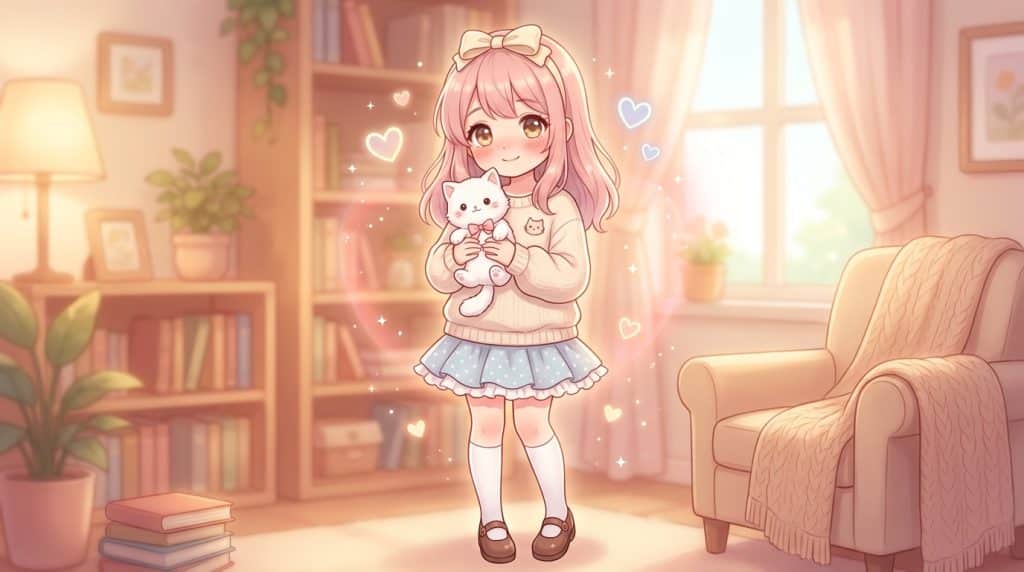
Creators design characters to trigger this response. This concept plays a key role in anime storytelling. The term has stable usage in anime discussions.
Why Is Dojen Moe Trending Online?
Dojen Moe trends due to SEO behavior. Many websites target low-competition keywords. They create content around terms that do not yet have a clear meaning.
Search engines detect repeated usage. The term starts to rank. Users search it out of curiosity.
This creates a cycle:
- creators publish content
- search engines index it
- users search it
- More content appears
The trend does not come from culture. It comes from content strategy.
Difference Between Dojen Moe, Doujin, and Moe
You need a clear comparison to avoid confusion.
| Term | Origin | Used in Japan | Meaning | Status |
|---|---|---|---|---|
| Doujin | Japanese culture | Yes | Self-published work | Real |
| Moe | Anime culture | Yes | Emotional response to characters | Real |
| Dojen Moe | No clear origin | No | No consistent meaning | Misleading |
Doujin and Moe have clear definitions. Communities use them widely. It lacks structure. It does not hold real meaning.
Common Misunderstandings About Dojen Moe
Many users believe Dojen Moe is a real anime term. This is not correct. Some think it represents a genre. This idea comes from misleading content. Others assume it comes from Japanese language usage. Native sources do not support this.
Repeated content creates false trust. Users confuse repetition with accuracy. You should always verify the source.
Is Dojen Moe Linked to Anime or Adult Content?
Some websites connect Dojen Moe to anime or fan content. This connection comes from the original terms. Doujin and Moe both relate to anime culture. Some doujin works include mature themes. This leads some pages to link the term to adult content.
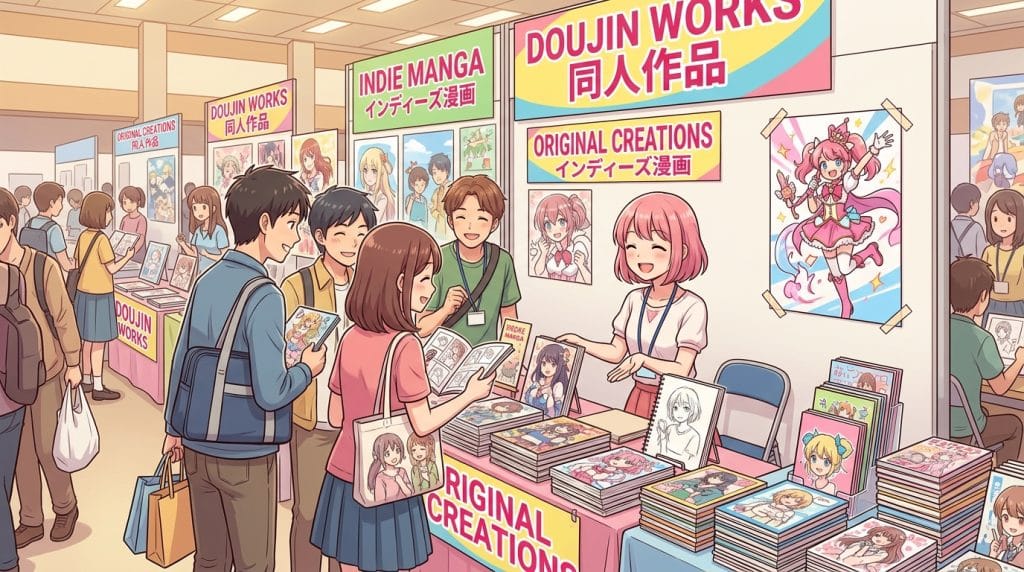
However, Dojen Moe itself does not represent any category. You should separate real concepts from mixed keywords.
How to Check If a Term Is Real
You should follow simple steps before trusting any keyword:
- Check usage in native language sources
- Look for consistent meaning across websites
- Verify presence in trusted dictionaries or glossaries
review how real communities use the term
Real concepts show clarity and consistency.
Should You Trust Websites That Use Dojen Moe?
You should evaluate the source carefully. Many websites that use this term lack authority. They do not provide verified references.
Reliable content shows:
- consistent definitions
- cultural context
- factual accuracy
Low-quality pages often target traffic. They do not focus on accuracy. You should prioritize trusted sources.
FAQs
What does Dojen Moe mean?
Dojen Moe does not have a verified meaning. It appears as a constructed keyword used on websites, but no official definition exists in anime culture or the Japanese language.
Is Dojen Moe a real Japanese term?
No. Dojen Moe is not a real term in the Japanese language. Native speakers and authentic sources do not use it.
Is Dojen Moe related to anime?
Some websites link Dojen Moe to Anime, but this connection is not accurate. The term itself has no defined role in anime culture.
What is the difference between Dojen Moe and Doujin?
Doujin is a real term that refers to self-published creative work, often shared at events like Comiket. Dojen Moe does not have a clear meaning and is not recognized.
What does Moe mean in anime?
Moe describes an emotional response toward fictional characters. Fans feel attachment or affection, often linked to cute traits inspired by Kawaii.
Why is Dojen Moe trending online?
Dojen Moe trends because many websites repeat the keyword. Search engines index this repeated content, which creates visibility even without real meaning.
Is Dojen Moe a genre or category?
No. Dojen Moe is not a genre in Anime or Manga. It does not represent any official classification.
Can Dojen Moe refer to adult content?
Some pages link it to adult themes due to associations with doujin works. However, the term itself has no defined meaning or category.
How can you tell if a keyword is fake or misleading?
You should check:
- usage in trusted sources
- consistency of meaning
- presence in dictionaries or glossaries
- real community usage
Fake keywords often lack all of these signals.
Should you trust websites that explain Dojen Moe?
You should be cautious. Many pages that use this term focus on traffic rather than accuracy. Reliable sources provide clear definitions and consistent usage.
Conclusion
Dojen Moe does not stand as a real or recognized term in anime or the Japanese language. No trusted source defines it. No cultural reference supports it. The term appears as a constructed keyword that mixes ideas without a clear meaning. This pattern often appears in low-quality content where visibility matters more than accuracy. You should focus on how real communities use language. Clear terms like doujin and moe show stable meaning and consistent usage across anime discussions.
You should rely on verified concepts when you explore topics in Anime and Manga. Doujin explains self-published creative work. Moe explains emotional attachment to characters. Both terms have a strong place in Otaku culture. Dojen Moe does not offer the same clarity. You should question unclear keywords and verify their origin before trusting them. This approach helps you avoid confusion and builds trust in the information you consume.

Ahsan Iqbal is a content writer covering technology updates, gaming topics, and general blog content. His work focuses on explaining tech-related subjects in a simple and understandable way using publicly available information. Content is written for general informational purposes only.